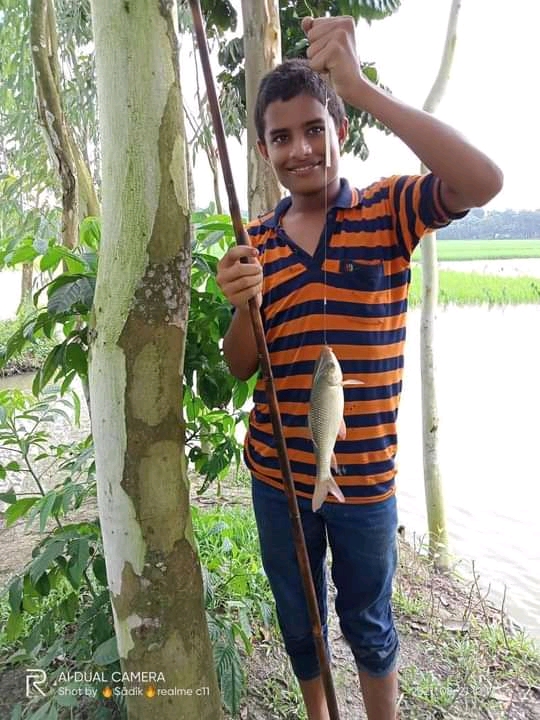
Rod selection is one of those decisions that anglers either overthink or skip entirely. The result in both cases tends to be the same: a setup that performs adequately but not particularly well for the water and species at hand. In Canadian freshwater, where you might be casting a 3-inch jig for walleye in 20 feet of water one weekend and throwing surface plugs for largemouth bass in a weedy bay the next, rod choice has genuine practical consequences.
This guide breaks down the three variables that matter most — power, action, and length — then maps them to the species and conditions most commonly encountered across Canadian lakes and rivers.
Power: How Much Flex the Blank Allows Under Load
Rod power describes how much force it takes to bend the blank. Ratings run from ultra-light through light, medium-light, medium, medium-heavy, and heavy. The naming is consistent across most major manufacturers, though the actual flex characteristics differ slightly by brand.
For most Canadian freshwater fishing, three power ratings cover the majority of situations:
- Medium-light (ML): Best suited for smaller trout and panfish in clear rivers, or walleye in shallow clear-water scenarios where lighter jigs (1/16 to 3/8 oz) are more productive. The sensitivity of an ML blank transmits subtle bites through the handle — useful when walleye are mouthing a jig rather than striking it aggressively.
- Medium (M): The most versatile power for general-purpose Canadian freshwater use. Handles lures from 1/4 to 5/8 oz comfortably, which covers walleye jigs, bass crankbaits, and light pike presentations. A 6'6" to 7' medium spinning rod is a practical starting point for most lake fishing in Ontario or Manitoba.
- Medium-heavy (MH): Northern pike and muskellunge territory. These fish require heavier wire leaders (at minimum 30 lb fluorocarbon, or steel for toothy pike), larger lures, and the backbone to move a fish away from structure. A medium-heavy rod rated for 10–20 lb line handles pike in the 90 cm range without serious strain.
Heavy and extra-heavy rods appear in muskie fishing with large swimbaits and in certain trolling applications, but for most shore and boat-based freshwater fishing across Canada, medium and medium-heavy cover the practical range.
Action: Where the Rod Bends
Action describes the location of the bend when the rod is loaded — fast action bends mostly in the upper third, moderate-fast in the upper half, and moderate action bends well into the mid-section. This has real implications for how lures behave and how well the angler feels strikes.
Fast Action for Sensitivity and Hook-Setting
Fast-action rods are the standard recommendation for jig fishing for walleye. The stiff lower section transmits vibration from a jig ticking across a gravel bottom directly to the angler's hand. When a walleye picks up a jig and pauses, the slight change in weight or the subtle "tick" is more perceptible on a fast-action blank than a moderate one. The fast tip also drives hook sets quickly, which matters with smaller jig hooks.
Moderate Action for Crankbaits and Treble-Hooked Lures
Crankbaits and treble-hooked lures benefit from a moderate-action rod. The forgiving tip acts as a buffer when a fish makes a head-shaking run — a fast-action rod can result in hook pulls because there is no give in the system. Largemouth bass anglers throwing shallow crankbaits along weed edges in Lake St. Clair's bays will notice fewer lost fish with a moderate 7-footer than with an aggressive fast blank.
On the Rideau system in Ontario, walleye tend to hold on soft-bottom transitions at 15–22 feet through mid-summer. A 6'8" fast-action medium spinning rod with 10 lb fluorocarbon main line covers this scenario well — sensitive enough for a 3/8 oz jig but with enough backbone to steer fish clear of the dock posts common on this system.
Length: Casting Distance, Leverage, and Line Control
Rod length affects casting distance, the ability to manage line on the water, and how much leverage is available when fighting a fish. For freshwater spinning applications, the practical range runs from 6 to 7'6".
- 6 to 6'6": Shorter rods offer better accuracy in close-quarters casting — useful in brushy creek fishing for brook trout or casting docks from a kayak. The reduced length also reduces fatigue during a long session of repetitive casting.
- 6'6" to 7': The most broadly useful length range for open-water lake fishing. Provides enough reach to keep line off the water when walking a jig, and enough lever arm to load and cast 3/8 to 5/8 oz presentations effectively.
- 7' to 7'6": Shore fishing in larger bays and reservoirs, where additional casting distance matters. Also useful for trolling walleye in larger structures where the longer rod absorbs short strikes before reaching the rod holder.
Material and Build: What Actually Matters at Mid-Range Price Points
The Canadian freshwater market is well-served at the CAD $80–$200 rod price point. Graphite (carbon fibre) blanks in this range are sensitive enough for jig fishing and durable enough for regular use. Fibreglass blanks, while heavier, retain value in moderate-action crankbait rods because their slower recovery rate suits the application and they are harder to break.
IM6 and IM7 graphite designations refer to carbon fibre modulus ratings — higher modulus means lighter weight and more sensitivity but also higher brittleness. For general Canadian freshwater use, IM6 or equivalent blanks offer a good balance of sensitivity and durability without the fragility of high-modulus competition blanks.
Guide quality matters more than most anglers expect. Guides with corroded or cracked inserts abrade braided line and reduce sensitivity. Stainless steel frames with silicon carbide (SiC) or similar ceramic inserts are the standard at mid-range price points and hold up well to saltwater rinse if any marine crossover is planned.
Matching the Setup: Three Common Canadian Freshwater Scenarios
Walleye, Bay of Quinte, Ontario
The Bay of Quinte on Lake Ontario is one of the most productive walleye fisheries in North America. Water depths in the main bay run 10–25 feet with soft-bottom flats. A 6'8" to 7' fast-action medium spinning rod with 10 lb fluorocarbon is the standard local setup for jig fishing. Paired with a 2500-size spinning reel, this combination handles the 3/8 and 1/2 oz jigs used most of the season.
Northern Pike, Lake of the Woods, Ontario/Manitoba
Lake of the Woods holds pike throughout its vast bay system. For casting large spinnerbaits and soft-plastic swimbaits, a 7' medium-heavy fast-action baitcasting rod with 17–20 lb mono or 30 lb braid is the starting point. The heavier power allows a sharp hookset through a large offset hook in a swimbait.
Brown Trout, Bow River, Alberta
The Bow River's wild brown trout respond to both nymphs and streamers. For spinning gear, a 6'6" medium-light rod with 6 lb fluorocarbon handles small spinners and weighted nymphs on a dropper rig without overpowering the lighter tippet. The sensitivity picks up the soft takes brown trout are known for on clear water.
Where to Check Current Regulations Before You Fish
Rod and reel specifications alone don't determine legality. The Ontario Fishing Regulations Summary and Alberta Fishing Regulations both outline any restrictions on gear type in specific water bodies — some catch-and-release-only waters in Alberta prohibit bait and restrict lure types. It is worth confirming these details before assembling a setup for a new water body.

